Katihar, located in the eastern part of Bihar, reflects a mix of rural culture, traditional craftsmanship, and simple local life. The souvenirs available here are rooted in Bihar’s folk traditions and everyday use items. These souvenirs are affordable, meaningful, and easy to carry back home.
1. Bamboo Handicrafts
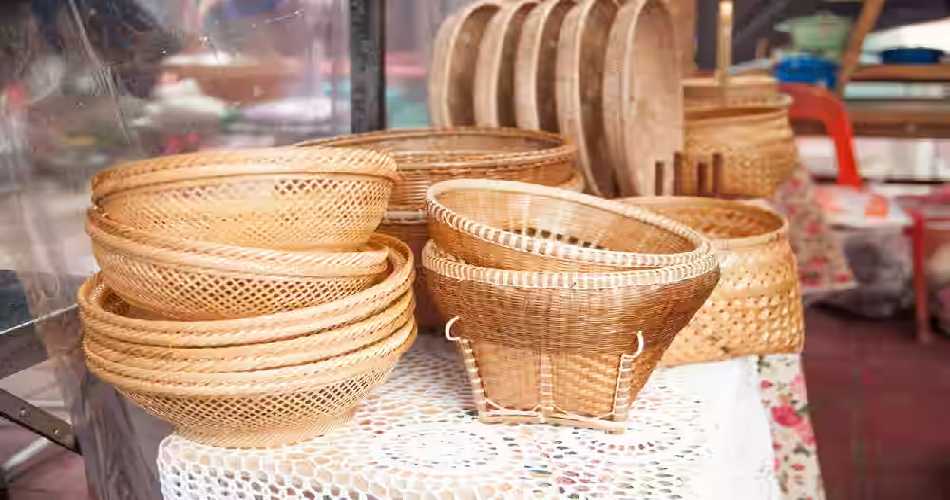
Bamboo crafts are commonly sold in Katihar markets and nearby rural areas. Local artisans make baskets, storage containers, trays, mats, and small decorative items using natural bamboo. These products are lightweight, durable, and eco-friendly. Many of these items are still used daily in local households, making them practical souvenirs as well as cultural keepsakes.
2. Madhubani-Style Folk Paintings
While Madhubani paintings originate from northern Bihar, their influence is visible across the state, including Katihar. These paintings feature bright colors and traditional themes such as nature, animals, village scenes, and mythological figures. Small framed paintings, hand-painted sheets, and cloth artworks are popular choices for gifting and home décor.
3. Sikki Grass Handicrafts
Sikki grass is a golden-colored natural grass used to create traditional handicrafts. Artisans weave it into baskets, boxes, wall hangings, toys, and decorative pieces. These items are unique to Bihar’s culture and stand out because of their color, texture, and handmade finish. Sikki products are light and easy to pack.
4. Terracotta and Clay Items
Clay and terracotta products are made by local potters using traditional techniques. Common items include small figurines, pots, lamps, incense holders, and decorative pieces. These earthy items represent Bihar’s long pottery tradition and are popular as cultural souvenirs, especially during festive seasons.
5. Sujni Embroidery Textiles
Sujni embroidery is a traditional textile art form from Bihar. It involves hand-stitched designs on cloth, often depicting village life, nature, and social themes. Quilts, cushion covers, wall hangings, and fabric panels made with Sujni embroidery are meaningful souvenirs that combine craftsmanship with storytelling.
6. Wooden Handicrafts and Toys
Simple wooden handicrafts are available in Katihar markets, including carved figurines, small decorative pieces, traditional toys, and utility items. These are usually handmade and reflect rural creativity. Wooden toys are especially popular as souvenirs for children.
7. Locally Made Utility Items
Katihar markets offer many locally produced daily-use items such as cloth bags, hand-woven mats, storage baskets, spice boxes, and simple home accessories. These items are practical, budget-friendly, and reflect the everyday lifestyle of the region.
8. Traditional Local Jewelry
Local markets sell simple, traditional jewelry made of metal, beads, or glass. Bangles, necklaces, anklets, and earrings inspired by rural designs are affordable souvenirs. These items reflect everyday fashion worn by local women and are popular among visitors looking for ethnic accessories.
9. Local Sweets and Food Items
Edible souvenirs are very popular in Katihar. Common choices include traditional sweets like thekua, khaja, tilkut, and laddoos prepared by local sweet shops. These items are usually packed for travel and make excellent gifts for friends and family back home.
10. Brass and Metal Decorative Items
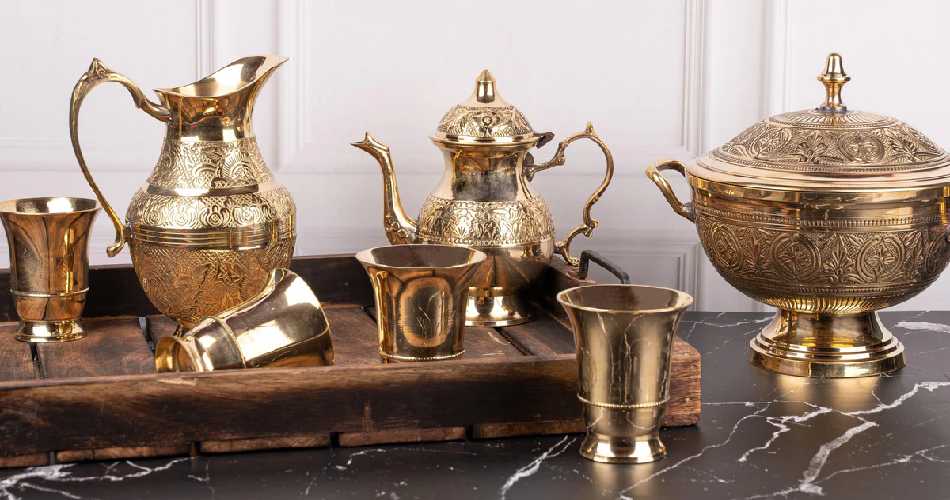
Brass items such as small lamps, bowls, bells, and religious figurines can be found in local shops. These items are often bought for home décor or religious purposes. They are durable, long-lasting, and commonly gifted during festivals and family occasions.
Where to Buy Souvenirs in Katihar
Most souvenirs can be found in:
- Main local bazaars
- Railway station area shops
- Weekly local markets
- Small handicraft and gift stores in town
Exploring busy market areas gives visitors the best variety and prices.
Shopping Tips for Visitors
- Bargaining is common in local markets, so negotiate politely.
- Check quality carefully, especially for handmade and fragile items.
- Ask shopkeepers about the origin of crafts to ensure authenticity.
- Pack delicate items securely for travel.
- Buy sweets from well-known shops for freshness and hygiene.

I am a travel writer and regional storyteller dedicated to documenting the culture, heritage, daily life, and travel experiences of Bihar. Through Mera Apna Bihar, I share local insights, real travel stories, and on-ground experiences that highlight the true spirit of Bihar for readers, travelers, and culture enthusiasts.
In addition to regional storytelling, I curate travel narratives and destination experiences through HolidayLandmark Stories, where journeys, city moments, and authentic travel experiences are documented in a story-driven format:
HolidayLandmark – Travel Stories
I also manage a growing network of city-focused travel platforms where I regularly publish daily travel logs capturing real-time journeys, local discoveries, and everyday experiences across India:
Bangalore Orbit – Daily Logs
Bhopal Orbit – Daily Logs
Chennai Orbit – Daily Logs
Gujarat Orbit – Daily Logs
Kerala Orbit – Daily Logs
Mera Apna Bihar – Daily Logs
Mumbai Orbit – Daily Logs
For readers seeking deeper insights, curated content, and structured travel information, I also publish city blogs and destination guides across multiple platforms:
Bangalore Orbit – Blog
Bhopal Orbit – Blog
Chennai Orbit – Blog
Gujarat Orbit – Blog
Kerala Orbit – Blog
Mera Apna Bihar
Mumbai Orbit – Blog
Through this interconnected network, my goal is to preserve regional stories, promote local culture, and provide authentic travel information that reflects the real experiences of people and places across Bihar and India.