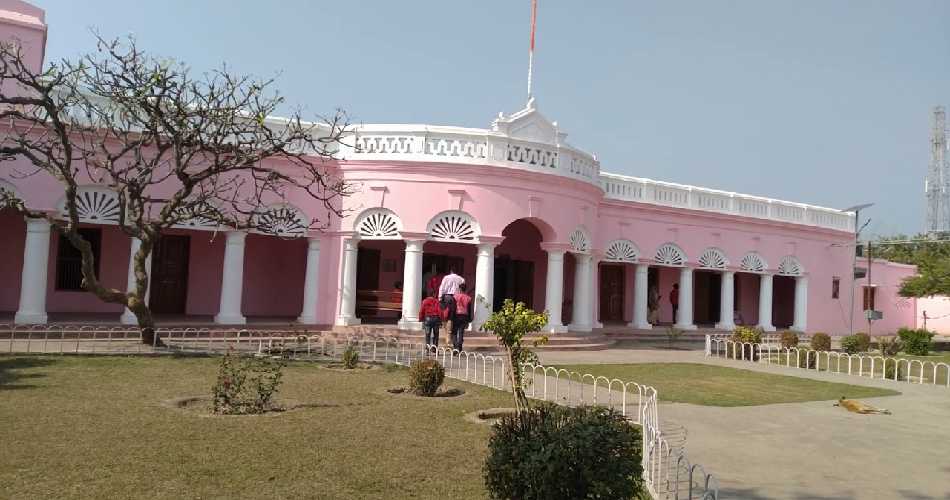
Here’s a 2‑Day Travel Itinerary for visiting Siwan (Bihar, India) along with a table of key places in Siwan, sorted by popularity with estimated visit times and any known entry fees. Most sites in Siwan are free to visit as they are temples, heritage sites, or villages.
Day 1 – Spiritual & Heritage Tour
Morning
- Visit Baba Mahendra Nath Temple (Mehdar) – most famous temple near Siwan.
- Spend peaceful time and explore temple surroundings.
Afternoon
- Visit Thawe Temple (approx. 35 km) – one of the most popular Shakti temples in the region.
- Lunch at local restaurant / dhaba.
Evening
- Visit Shahi Mosque Siwan.
- Walk around Siwan Main Market for shopping, sweets, and street food.
Day 2 – History, River & Local Experience+
Morning
- Visit Ziradei Village – Birthplace of Dr. Rajendra Prasad (1st President of India).
- Explore memorial house and local village culture.
Afternoon
- Visit Darauli Ghat (Saryu River) – enjoy calm river views, photography, and relaxation.
Evening
- Explore local town parks / streets.
- Try local snacks and finish with shopping in town.
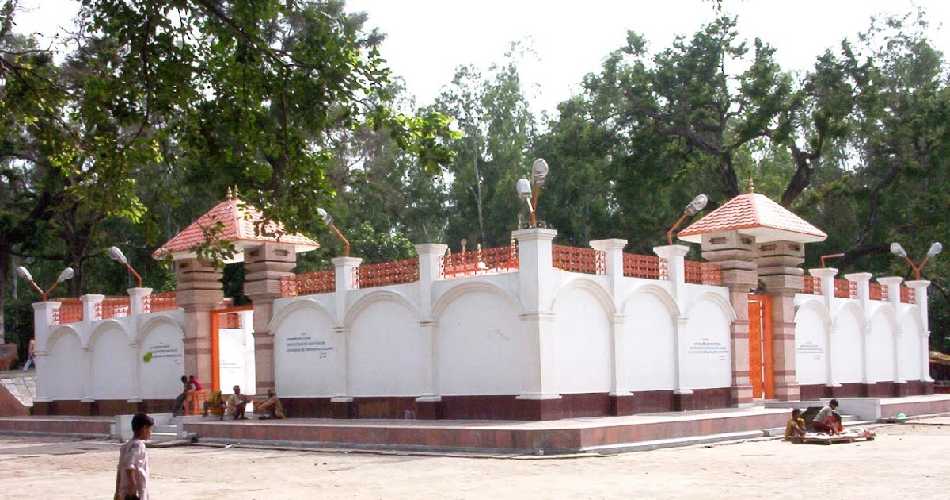
Table – Places to Visit in Siwan
| S.No. | Place Name | Popularity | Avg. Time to Spend | Entry Fees |
|---|---|---|---|---|
| 1 | Baba Mahendra Nath Temple (Mehdar) | ⭐⭐⭐⭐⭐ Very High | 1.5 – 2 hrs | Free |
| 2 | Thawe Temple (Near Siwan) | ⭐⭐⭐⭐⭐ Very High | 2 – 3 hrs | Free |
| 3 | Ziradei – Birthplace of Dr. Rajendra Prasad | ⭐⭐⭐⭐ High | 1.5 – 2 hrs | Free |
| 4 | Darauli Ghat (Saryu River) | ⭐⭐⭐⭐ High | 1 – 2 hrs | Free |
| 5 | Shahi Mosque Siwan | ⭐⭐⭐ Medium | 45 min – 1 hr | Free |
| 6 | Siwan Main Market | ⭐⭐⭐⭐ High | 1 – 2 hrs | Free |
| 7 | Zila Parishad Bhawan Area | ⭐⭐⭐ Medium | 45 min – 1 hr | Free |
| 8 | Jalalpur Village (Rural Experience) | ⭐⭐⭐ Medium | 1 – 2 hrs | Free |
| 9 | Local Parks & Town Walk | ⭐⭐ Moderate | 30 – 60 min | Free |
| 10 | Nearby Countryside / Village Tour | ⭐⭐⭐ Medium | 2 – 3 hrs | Free |
Best Time to Visit
- October to March – Best weather and comfortable travel.
Quick Travel Tips
- Autos & e-rickshaws easily available.
- Start temple visits early morning.
- Carry water, cash, and comfortable footwear.
- Respect local customs at religious places.

I am a travel writer and regional storyteller dedicated to documenting the culture, heritage, daily life, and travel experiences of Bihar. Through Mera Apna Bihar, I share local insights, real travel stories, and on-ground experiences that highlight the true spirit of Bihar for readers, travelers, and culture enthusiasts.
In addition to regional storytelling, I curate travel narratives and destination experiences through HolidayLandmark Stories, where journeys, city moments, and authentic travel experiences are documented in a story-driven format:
HolidayLandmark – Travel Stories
I also manage a growing network of city-focused travel platforms where I regularly publish daily travel logs capturing real-time journeys, local discoveries, and everyday experiences across India:
Bangalore Orbit – Daily Logs
Bhopal Orbit – Daily Logs
Chennai Orbit – Daily Logs
Gujarat Orbit – Daily Logs
Kerala Orbit – Daily Logs
Mera Apna Bihar – Daily Logs
Mumbai Orbit – Daily Logs
For readers seeking deeper insights, curated content, and structured travel information, I also publish city blogs and destination guides across multiple platforms:
Bangalore Orbit – Blog
Bhopal Orbit – Blog
Chennai Orbit – Blog
Gujarat Orbit – Blog
Kerala Orbit – Blog
Mera Apna Bihar
Mumbai Orbit – Blog
Through this interconnected network, my goal is to preserve regional stories, promote local culture, and provide authentic travel information that reflects the real experiences of people and places across Bihar and India.