1. Introduction to Katihar
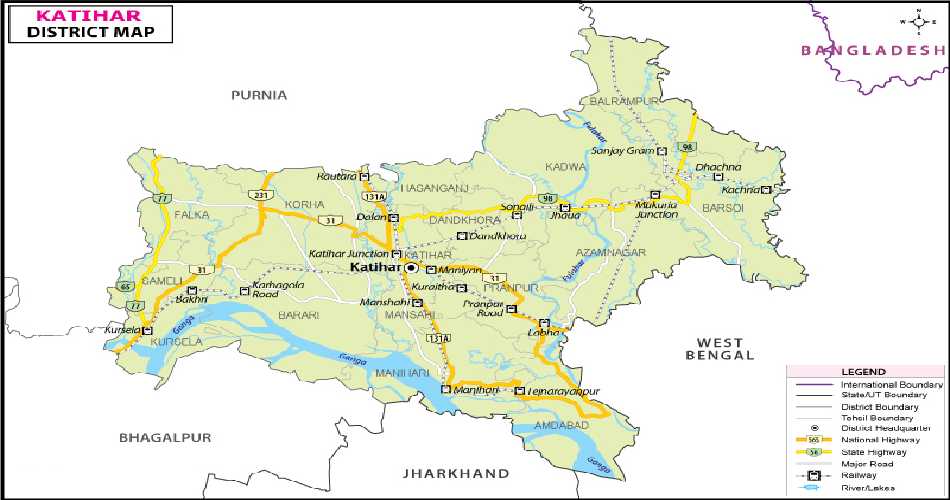
Katihar is a major railway junction and a growing commercial hub in the northeastern part of Bihar. Nestled near the borders of West Bengal and Nepal, it serves as a gateway to the region. While not a conventional tourist hotspot, it offers a genuine glimpse into rural and small-town life in Eastern India, with its unique cultural blend, religious sites, and proximity to natural wonders like the Koshi River.
- Best Time to Visit: October to March (pleasant winter weather).
- Language: Hindi, Urdu, Maithili, and Bengali are widely spoken. Basic English is understood in hotels and commercial areas.
- Cultural Note: Katihar is known for its communal harmony. Dress modestly, especially when visiting religious sites.
2. How to Reach
- By Rail: Katihar Junction (KIR) is one of the most important and busy railway stations in the East Central Railway zone. It is well-connected to major cities like Delhi, Kolkata, Mumbai, Guwahati, and Patna.
- By Air: The nearest airport is Bagdogra Airport (IXB) in West Bengal (~150 km). Patna Airport (PAT) is the major domestic airport (~300 km). From airports, take pre-paid taxis or trains to Katihar.
- By Road: Katihar is connected via National Highway 31 and State Highways. Regular buses (private and state-run) ply from Patna, Purnea, Siliguri, and other neighboring cities.
- Local Transport: Auto-rickshaws and cycle-rickshaws are primary modes. Negotiate fares before riding. For longer distances, hire local taxis.
3. City Layout & Key Areas
- Railway Station Area: The bustling heart of the city, with most hotels, lodges, and eateries.
- Khadgarha & Balrampur: Commercial and residential areas with markets.
- Katihar Town: Houses administrative offices, old markets, and the main bus stand.
- Outskirts: More rural, leading to river areas and agricultural fields.
4. Tourist Attractions & Points of Interest
A. Religious & Spiritual Sites
- Karneshwar Mandir (S): A revered ancient Shiva temple, significant during Mahashivratri.
- Maa Chhinnamastika Mandir (S): A famous temple dedicated to Goddess Chhinnamastika, attracting devotees from across the region.
- Kali Mandir (S): Located near the station, a prominent temple for Kali devotees.
- Gurudwara Singh Sabha (S): An important Sikh shrine, offering langar (community meal).
- St. Mary’s Cathedral (C): A beautiful church reflecting the Christian community’s presence.
- Katihar Jama Masjid (M): The central mosque for the Muslim community.
B. Natural & Recreational Spots
- Koshi River & Barrage (N): (Approx 30-40 km drive) The lifeline of the region. A drive to the Koshi Barrage offers scenic views of the vast river landscape and is a birdwatcher’s paradise in winter.
- Town Park (G): A small green space for a peaceful stroll.
C. Cultural & Historical Interest
- Local Village Visits (V): Explore the authentic rural life of the Mithila region. You might see traditional artwork (Madhubani/Mithila painting) on house walls.
- Katihar Museum (M): (Check for opening hours) A small museum showcasing local history and artifacts.
D. Nearby Excursions (Half-Day/Full-Day Trips)
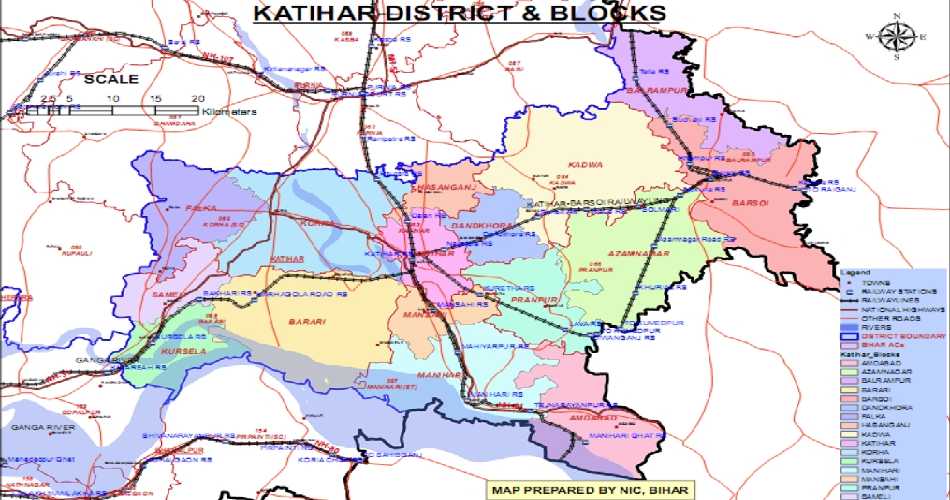
- Manihari (~25 km): A town on the banks of the Ganga, known for its ghats and rustic charm.
- Purnea (~60 km): A larger city with more urban amenities and historical sites like the Dargah of Hazrat Mustafa Jamalul Haq.
- Kishanganj (~90 km): Base for visiting the beautiful Churanchi Maata Temple and tea gardens.
5. Daily Itinerary Suggestions
- Day 1 (Spiritual & City): Karneshwar Mandir → Maa Chhinnamastika Mandir → Local Lunch → Town Park → Evening at the local market near the station.
- Day 2 (Nature & Culture): Morning drive to Koshi Barrage (carry water & snacks) → Picnic by the river → Return by afternoon → Visit Gurudwara Singh Sabha → Try local street food for dinner.
- Day 3 (Excursion): Choose a half-day trip to Manihari Ghat or explore the villages around Katihar to witness rural crafts and agriculture.
6. Food & Cuisine Guide
Katihar offers simple, hearty Bihari and North Indian food.
- Must-Try Dishes: Litti Chokha, Sattu Paratha, Fish Curry (fresh from local rivers), Mutton preparations, Chana Ghugni.
- Sweet Specialties: Khaja, Thekua, Balushahi, and local sweetened yogurt (Mithai Dahi).
- Popular Eateries: Hotel Rajendra, Gupta Restaurant, numerous dhabas and stalls near the station area. For sweets, try local halwai shops.
7. Accommodation Listings
- Budget (Near Station): Hotel Satkar, Hotel Samrat, Railway Retiring Rooms.
- Mid-Range: Hotel Bombay, Hotel Rajendra, Hotel Kanishka.
- Note: Advance booking is recommended. Facilities are basic; check for AC and hot water as needed.
8. Shopping Guide
- Local Markets: Station Road Market, Balrampur Market.
- What to Buy: Madhubani Paintings (look for authentic ones), local handicrafts, bamboo products, and Sattu (roasted gram flour) as a edible souvenir.
9. Essential Travel Tips
- Cash is King: Carry sufficient cash; ATMs are available but may have queues.
- Health: Drink only bottled or purified water. Carry basic medicines and mosquito repellent.
- Transport: Always agree on auto/taxi fares before starting your journey.
- Respect: Ask for permission before taking photographs of people or inside religious places.
- Connectivity: Mobile networks (Jio, Airtel) work well. 4G data is available.
10. Emergency Contacts & Useful Phrases
- Police: 100
- Ambulance: 102 or 108
- Fire: 101
- Katihar Government Hospital: (Check locally for number)
- Railway Enquiry: 139
- Useful Hindi Phrases:
- Kitna hua? (How much?)
- Yahaan kaise jaayein? (How to go here?)
- Paani kahaan milega? (Where can I get water?)
- Madad kariye. (Please help me.)
- Dhanyavaad. (Thank you.)
Enjoy your visit to Katihar – a city that offers a slice of authentic, unpretentious life in Bihar!

I am a travel writer and regional storyteller dedicated to documenting the culture, heritage, daily life, and travel experiences of Bihar. Through Mera Apna Bihar, I share local insights, real travel stories, and on-ground experiences that highlight the true spirit of Bihar for readers, travelers, and culture enthusiasts.
In addition to regional storytelling, I curate travel narratives and destination experiences through HolidayLandmark Stories, where journeys, city moments, and authentic travel experiences are documented in a story-driven format:
HolidayLandmark – Travel Stories
I also manage a growing network of city-focused travel platforms where I regularly publish daily travel logs capturing real-time journeys, local discoveries, and everyday experiences across India:
Bangalore Orbit – Daily Logs
Bhopal Orbit – Daily Logs
Chennai Orbit – Daily Logs
Gujarat Orbit – Daily Logs
Kerala Orbit – Daily Logs
Mera Apna Bihar – Daily Logs
Mumbai Orbit – Daily Logs
For readers seeking deeper insights, curated content, and structured travel information, I also publish city blogs and destination guides across multiple platforms:
Bangalore Orbit – Blog
Bhopal Orbit – Blog
Chennai Orbit – Blog
Gujarat Orbit – Blog
Kerala Orbit – Blog
Mera Apna Bihar
Mumbai Orbit – Blog
Through this interconnected network, my goal is to preserve regional stories, promote local culture, and provide authentic travel information that reflects the real experiences of people and places across Bihar and India.