Here’s a 1‑day travel itinerary for exploring Gaya (including Bodh Gaya), with an overview table of key sites by popularity, time required, and fees:
Morning
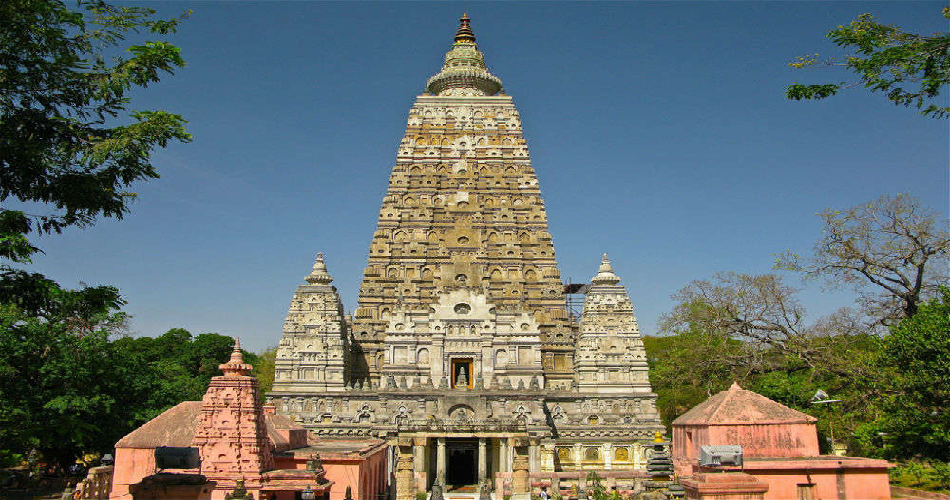
6:00 AM – 8:00 AM: Mahabodhi Temple & Bodhi Tree
Arrive early to beat the crowds at this UNESCO World Heritage Site, the spot where Buddha attained enlightenment. Spend time meditating under the sacred descendant tree. Entry is free (camera fee ₹100).
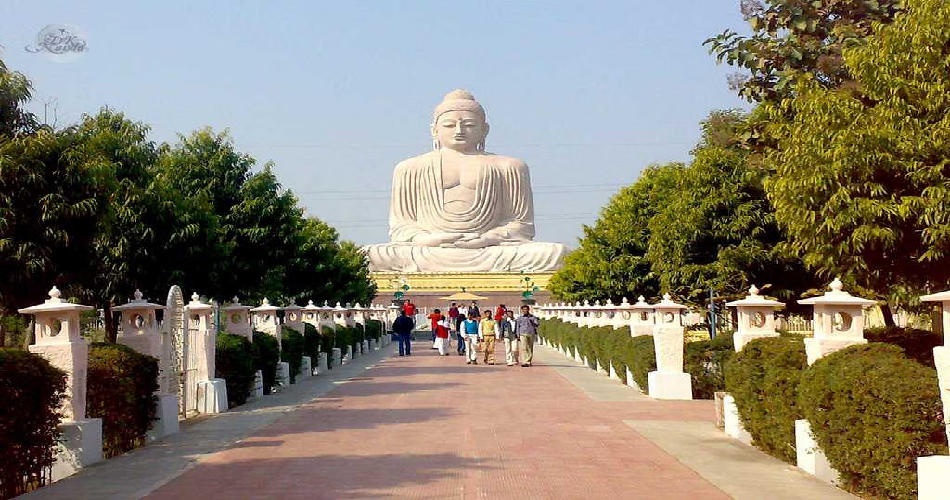
8:00 AM – 9:00 AM: Great Buddha Statue
Visit the 25 m-high statue nearby—a serene spot for reflection and photos.
Midday
9:30 AM – 10:30 AM: Tibetan Monastery (Gaden Phelgayling)
Experience Tibetan Buddhist art and peaceful ambience here .
10:45 AM – 11:45 AM: Vishnupad Temple, Gaya City
Return to Gaya proper for this ancient Hindu shrine on the Phalgu river, with a legendary footprint of Lord Vishnu .
Afternoon
12:00 PM – 1:00 PM: Gaya Pind Daan Ritual Site
Observe or partake in the sacred ancestral rites of Pind Daan—central to the city’s spiritual identity .
1:00 PM – 2:00 PM: Lunch & Break
Try local dishes like litti chokha at a nearby eatery.
2:00 PM – 3:00 PM: Mangla Gauri Temple
Visit this hilltop Shakti temple for spiritual significance and panoramic views .
Late Afternoon
3:30 PM – 4:30 PM: Barabar Caves (optional)
Explore ancient rock-cut caves dating from the Mauryan era—about 30 km away; travel time permitting .
4:30 PM – 5:00 PM: Rajendra Tower (Tower Chowk)
Return to central Gaya and stop by the historic clock tower, a 1910–14 landmark symbol of the city .
Overview Table
| Place | Avg. Time | Fee & Notes |
|---|---|---|
| Mahabodhi Temple (Bodh Gaya) | 1 h 15 m | Free entry; ₹100 camera charge; bag/shoe check free |
| Bodhi Tree | 30 m | Included in Mahabodhi complex |
| Great Buddha Statue | 45 m | Free |
| Tibetan Monastery | 1 h | Free |
| Vishnupad Temple | 40 m | Free (donations welcome) |
| Gaya Pind Daan | 1 h | Fees vary; minimal charges |
| Mangla Gauri Temple | 45 m | Free |
| Barabar Caves | 45 m | Entry fee varies; small transport charge applies |
| Rajendra Tower | 30 m | Free |
Travel Tips
- Distances are small but use auto-rickshaws or a taxi for comfort (especially in heat).
- Best visiting times: early morning for Mahabodhi (5–9 AM), late afternoon for Vishnupad.
- Plan barefoot temple entry accordingly; leave phones at lockers.
- The new Namo Bharat train enhances connectivity to Ayodhya if you continue travel.
This itinerary ensures a memorable and spiritual day covering both the Buddhist heritage of Bodh Gaya and the Hindu traditions of Gaya.

I am a travel writer and regional storyteller dedicated to documenting the culture, heritage, daily life, and travel experiences of Bihar. Through Mera Apna Bihar, I share local insights, real travel stories, and on-ground experiences that highlight the true spirit of Bihar for readers, travelers, and culture enthusiasts.
In addition to regional storytelling, I curate travel narratives and destination experiences through HolidayLandmark Stories, where journeys, city moments, and authentic travel experiences are documented in a story-driven format:
HolidayLandmark – Travel Stories
I also manage a growing network of city-focused travel platforms where I regularly publish daily travel logs capturing real-time journeys, local discoveries, and everyday experiences across India:
Bangalore Orbit – Daily Logs
Bhopal Orbit – Daily Logs
Chennai Orbit – Daily Logs
Gujarat Orbit – Daily Logs
Kerala Orbit – Daily Logs
Mera Apna Bihar – Daily Logs
Mumbai Orbit – Daily Logs
For readers seeking deeper insights, curated content, and structured travel information, I also publish city blogs and destination guides across multiple platforms:
Bangalore Orbit – Blog
Bhopal Orbit – Blog
Chennai Orbit – Blog
Gujarat Orbit – Blog
Kerala Orbit – Blog
Mera Apna Bihar
Mumbai Orbit – Blog
Through this interconnected network, my goal is to preserve regional stories, promote local culture, and provide authentic travel information that reflects the real experiences of people and places across Bihar and India.